Exterior Locks to Change After a Home Move
Why a lock check matters on moving day
When you take possession of a new home, the keys in your hand are rarely the only copies in existence. Former owners may have handed extras to neighbours, cleaners, or tradespeople. Tenants who moved out might have made duplicate keys without telling anyone. Even in a brand-new build, contractors and site workers could have held access during construction. The sensible step is to assume that someone else still has a key that fits your front door. That is why most homeowners, landlords, and tenants consider a full lock audit part of the property handover routine.
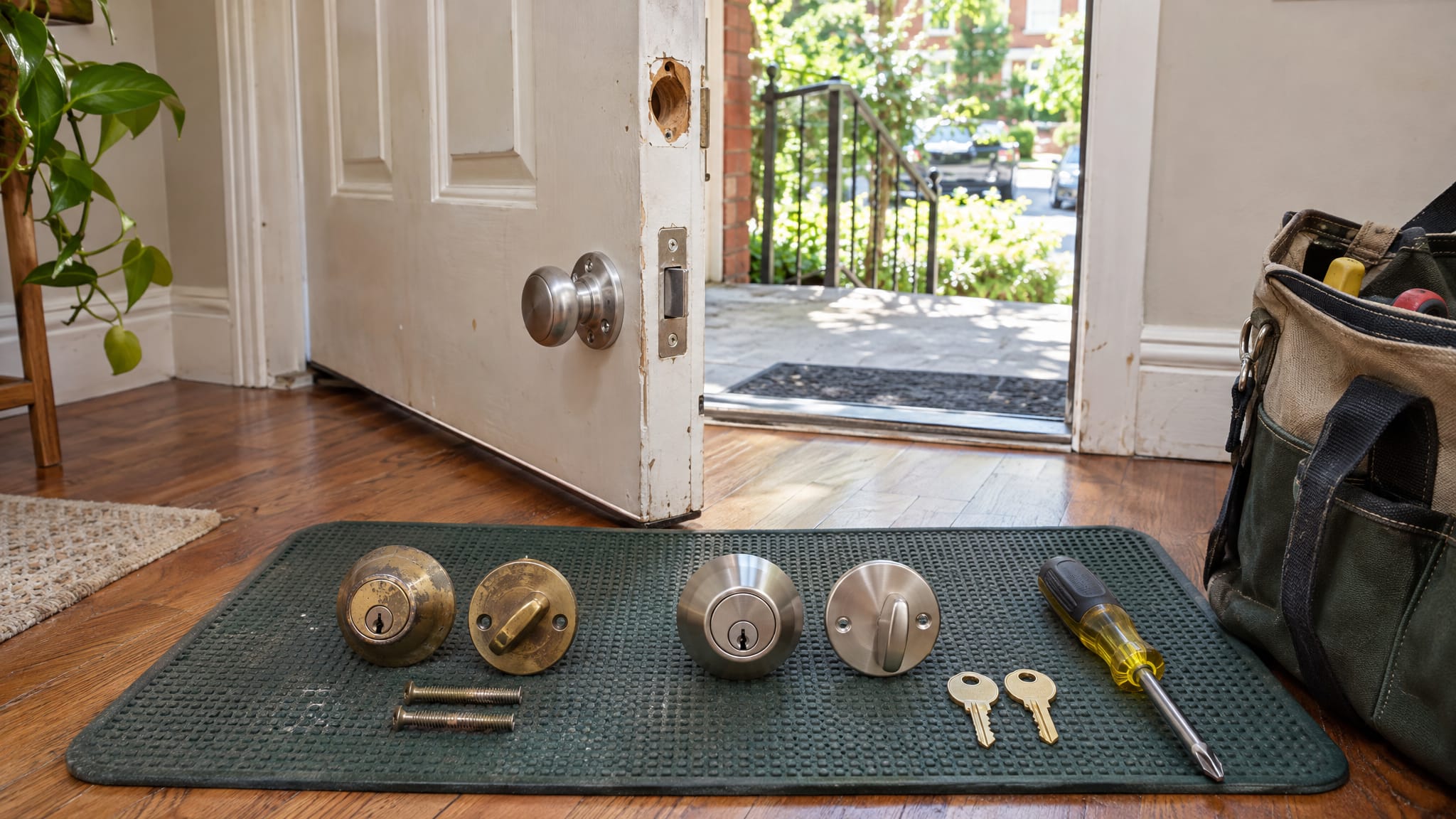
You have two main options: replace the entire lock hardware or have the cylinders rekeyed. Replacing hardware is necessary when the existing locks are worn, damaged, or outdated. Rekeying is faster and cheaper because a locksmith adjusts the internal pins of the lock cylinder so that old keys no longer work, then cuts new keys for you. This process is called house lock rekeying, and it is a common service for anyone who wants to keep existing hardware while changing who can open the door.
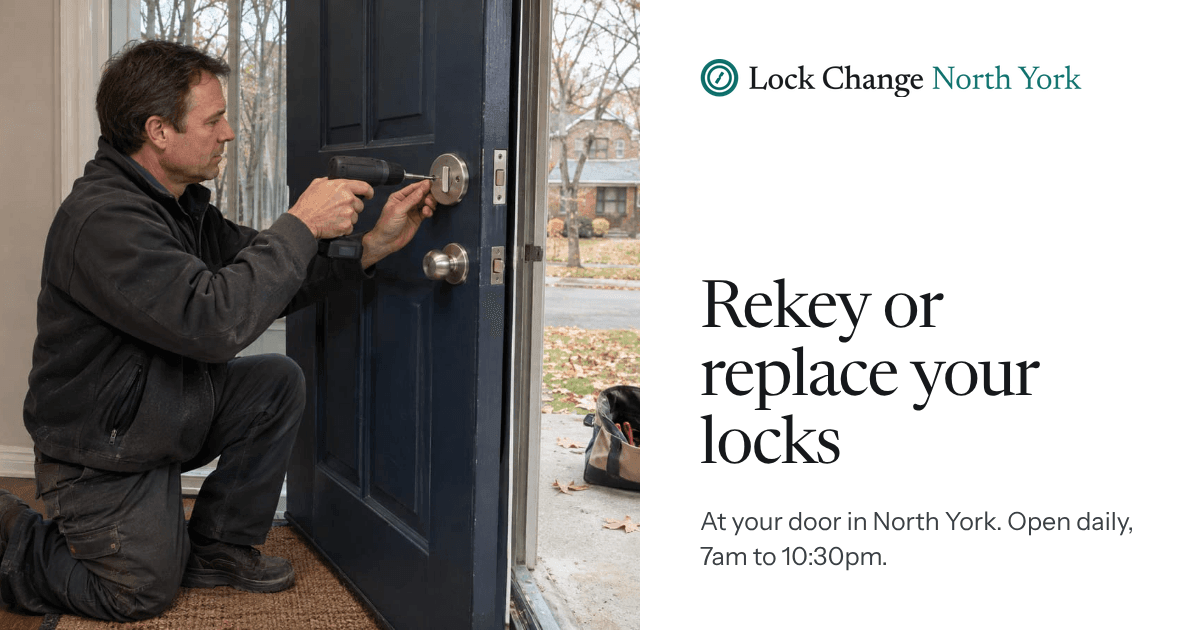
Front door deadbolt
The main entrance is the most obvious place to start. A deadbolt that uses a key from the outside and a thumb turn inside is standard on many homes. If the deadbolt is old, the key may feel stiff or the bolt may not extend fully into the strike plate. That is a sign the lock needs replacing, not just rekeying. A fresh cylinder and properly aligned strike plate give you reliable security and peace of mind. Even if the deadbolt works fine, you still want to know that no previous owner or contractor has a spare key hidden somewhere.
Secondary exterior doors
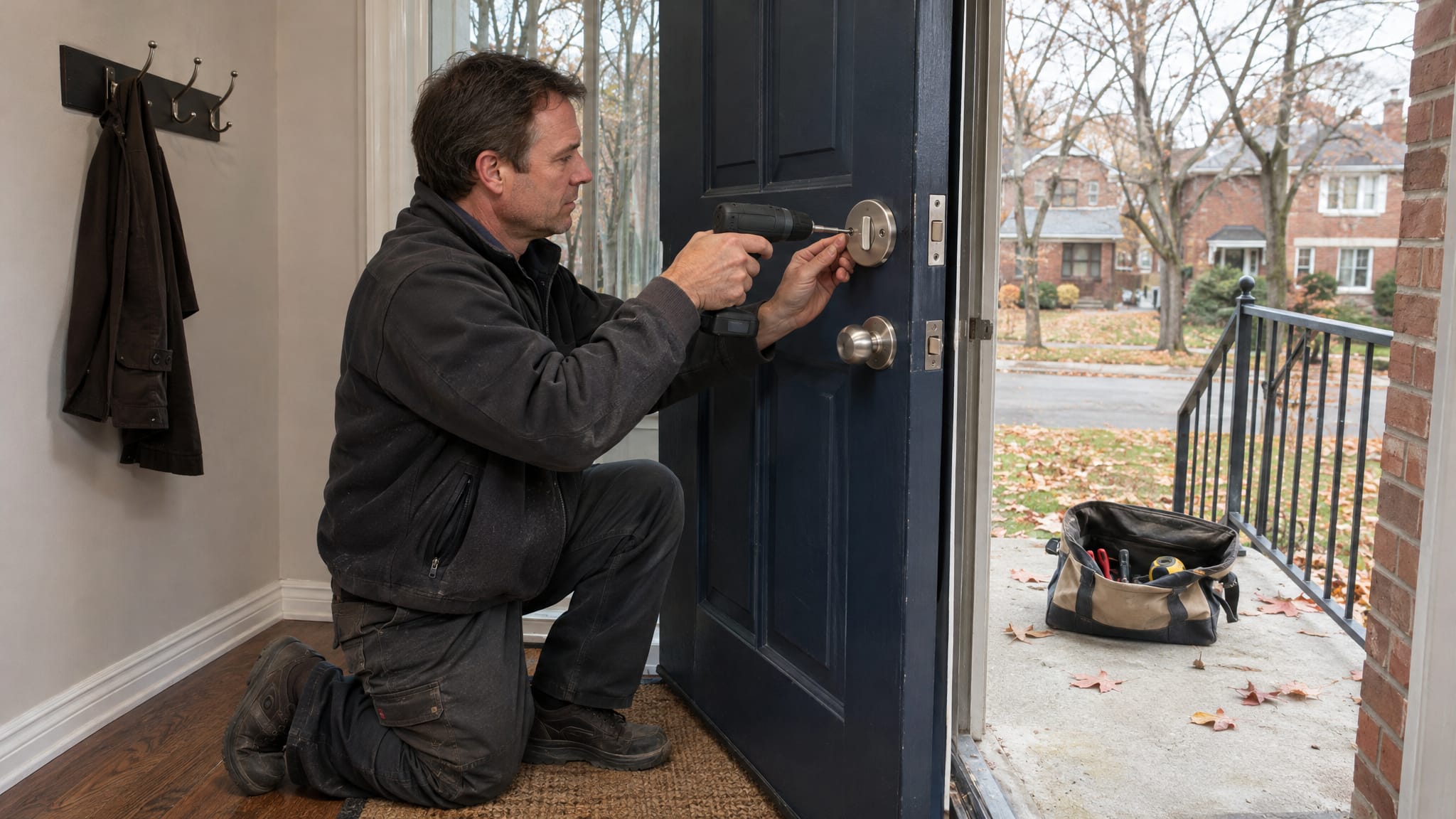
Side doors, back doors, and basement walkouts are often forgotten. They are also the doors that former owners used most for letting the dog out or bringing in groceries, so those keys may have been shared more freely. A side door that leads into a mudroom or laundry area is a common spot for a hidden spare key under a mat or a rock. Changing or rekeying that lock removes any risk that a previous occupant or their guests could let themselves in. Check whether the door uses a keyed entry handle, a separate deadbolt, or both. Each part that accepts a key should be rekeyed or replaced.
Garage entry points
Garages often hold a door that leads directly into the house. That door may have a simple keyed lock or a thumb latch. If the garage itself has an overhead door with a keyed release or a walk-through door with a lock, those are also access points. A garage entry is especially important because it is usually less visible from the street. A burglar who has a key to the garage door can work out of sight. When you are arranging house lock rekeying, mention every exterior door, including the one between the garage and the house, so the locksmith can bring the correct cylinders and key blanks.
Sliding patio doors and French doors
Sliding glass doors often rely on a hook latch or a simple lock built into the handle. Many of these can be shimmed open, but a keyed lock on the sliding panel adds real security. If your new home has a sliding door with a keyed lock, that key should be changed too. French doors usually have a multi-point locking system with a keyed cylinder in the middle. Those cylinders can be rekeyed just like a standard deadbolt. Because these doors have large glass panels, a determined person could break the glass and reach inside to turn a thumb latch. A keyed lock that requires a key from both sides, or at least a lock that cannot be turned without the key, makes that approach harder.
Basement and utility room doors
Some homes have an exterior door leading to a basement stairwell or a utility room that opens to the outside. These are often fitted with a basic lockset that is easy to pick or force. If the lock is flimsy, you may want to upgrade to a deadbolt or a reinforced strike plate. At minimum, the cylinder should be rekeyed so that only you and your household have keys. A basement door that is hidden behind bushes or a fence is a favourite entry point for anyone who has kept an old key.
Mailbox and gate locks
If your property has a locked mailbox, a garden gate, or a shed with a padlock, those keys are also part of the security picture. The mailbox lock may be on a cluster box that the postal service controls, in which case you need to contact them directly. A private mailbox or a gate lock can be rekeyed or replaced. A garden gate that leads to the back of the house is a potential entry if someone can slip through without being seen. Treat every keyed access point on the property as a risk until you have changed or rekeyed it.
Rekeying versus replacing: how to decide
Rekeying keeps the existing hardware and changes only the internal mechanism of the lock cylinder. It is best when the lock is in good condition and you want to keep the same look and feel. Replacing is better when the lock is worn, the finish is damaged, or the lock type is outdated. A locksmith can tell you which option suits each door. For a landlord managing multiple units, rekeying between tenancies is standard practice. For a homeowner, rekeying after moving in is equally smart. The cost difference is small compared with the peace of mind of knowing exactly who holds keys to your home.
What to expect during a rekeying appointment
A locksmith will remove the cylinder from each lock, disassemble it, and rearrange the pins so that the old key no longer works. They then cut new keys for you. The process usually takes a few minutes per lock. You should have the locksmith check the alignment of the strike plate and the fit of the deadbolt while they are on site. A door that does not close properly puts extra wear on the lock and can make the key hard to turn. A small adjustment to the strike plate often solves that problem without replacing anything.
Key control after the change
Once the locks are rekeyed or replaced, you become the only person who holds working keys. Keep one set in a secure place outside the home, such as with a trusted neighbour or in a locked key safe. Do not leave a spare under a mat or in a fake rock. If you give a key to a cleaner, a dog walker, or a house sitter, consider having a separate key that works only for the door they need. That way you can rekey that one door later without affecting the others.
House lock rekeying after moving in is a straightforward step that removes a common vulnerability. It does not require a big budget or a full renovation. A single visit from a locksmith can secure every exterior door in an afternoon. The goal is to start your time in the home with full control over who can enter. That is a simple thing, but it makes a real difference to how safe you feel in your own space.